image

Even the most complex heart issues can be managed with timely diagnosis and the right treatment.

Data from WHO

Why a healthy heart is our priority?

Over 75% of cardiovascular disease (CVD) deaths take place in low- and middle-income countries where raised blood pressure happens to be amongst the most important risk factors for CVDs. One-fifth of these deaths occur in India, particularly among the younger population.

17.8M

people died from CVDs in 2019

28.1%

of Indian deaths contributed to CVDs

2-3%

higher rate of heart diseases that western countries

About CVD

Cardiovascular diseases (CVDs) are a group of disorders that affect proper functioning of one or more parts of your heart and blood vessels. A person may exhibit symptoms of the disease (symptomatic) or not feel anything at all (asymptomatic). These include coronary heart disease, cerebrovascular disease, peripheral arterial disease, rheumatic heart disease, congenital heart disease, deep vein thrombosis and pulmonary embolism.

Symptoms of Heart Issues

1. Chest pain (angina)

2. Chest pressure, discomfort, heaviness

3. Shortness of breath (dyspnea)

4. Dizziness

5. Fatigue

Symptoms of Blockage in Blood Vessels

1. Pain/cramps in leg while walking

2. Leg sores for prolonged periods

3. Cold, red skin

4. Swelling

5. Numbness in face or a limb. This may be one sided.

6. Difficulty in talking, seeing or walking

Risk Factors

1. Hypertension (high blood pressure)

2. High cholesterol

3. Smoking

4. Genetic history of heart diseases

5. Diabetes

6. Lack of physical activity

7. Obesity

8. Unhealthy diet

Are heart diseases curable?

There is no cure for heart diseases. However, you can address and treat the signs that led to the onset of these issues. This can consequently lessen the effects of the disease on your body. Many patients have a high quality of life and are able to control their cardiovascular illness by following a proper treatment plan.

Coronary Artery Disease:

Coronary artery disease or CAD, also knows as coronary heart disease occurs when the coronary arteries get too thin or blockages develop due to high cholesterol levels. The major blood vessels that carry and supply blood and oxygen to the heart are known as the coronary arteries.

Cause: Atherosclerosis or the gradual build up of plaque in coronary arteries

Symptoms: Constant chest pain/discomfort (angina), shortness of breath (dyspnea), heart attacks

Peripheral Arterial Disease:

Peripheral Artery Disease or PAD is a condition in which the blood vessels carrying oxygen and blood to the legs become narrow or get blocked.

Cause: Atherosclerosis or the gradual build up of plaque in arteries carrying blood from the heart to the legs

Symptoms: Muscle pain or cramping in the legs, coldness, numbness, changes in skin color

Rheumatic Heart Disease:

Rheumatic heart disease is the result of inflammation and scarring of the heart valves after one or more episodes of rheumatic fever.

Cause: Rheumatic fever or an inflammatory disease that affects the heart, joints, brain and skin

Symptoms: Chest pain (angina), fatigue, heart murmur, shortness of breath, swelling in the stomach, hands or feet

Congenital Heart Disease:

Congenital heart disease refers to a variety of structural issues with the heart that have existed since birth. Both adults and children with congenital heart disease may experience altered blood flow via the heart.

Cause: Genetic conditions like Down’s Syndrome

Symptoms: Blue skin, rapid breathing, rapid heartbeat, swelling, shortness of breath, fatigue

Deep Vein Thrombosis and Pulmonary Embolism:

Deep Vein Thrombosis or DVT is a serious condition in which a blood clot develops in a vein located deep in your body, mostly in the lower extremities. A pulmonary embolism occurs when a blood clot becomes lodged in an artery in the lungs.

Cause: Genetic conditions, cancer, not moving for long periods of time. Autoimmune diseases, varicose veins

Symptoms: Swelling of arms/legs, pain/tenderness in arms/legs, discoloued/red skin, severe headache and/or seizures, abdominal pain

Tips for a Healthy Heart

Heart related issues may be one of the primary causes of death, but they can be prevented. Although certain factors like age, sex and family history pose a risk and cannot be controlled, there are numerous tips to maintain a healthy heart.

Controlled diet

1. Tobacco-free environments

2. Managing Blood Pressure

3. Managing diabetes

4. Being physically active

5. Quality sleep

An Interventional Cardiologist performing the most intricate angioplasties
such as Chronic Total Occlusion PCI. He has a high success rate for these
procedures backed by a flawless safety record.
An Interventional Cardiologist performing the most intricate angioplasties
such as Chronic Total Occlusion PCI. He has a high success rate for these
procedures backed by a flawless safety record.

Blogs

Post Image
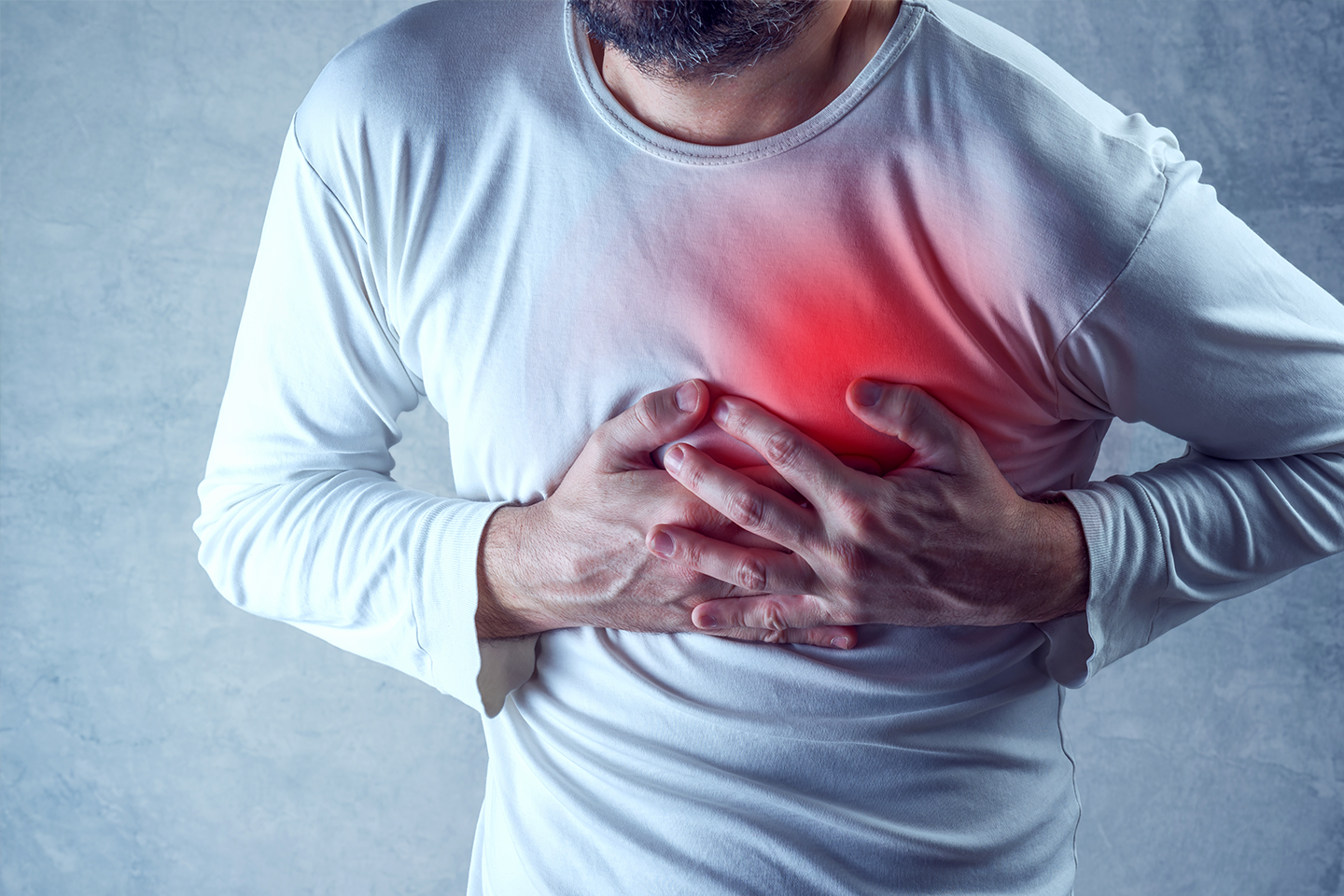
WHEN TO WORRY ABOUT CHEST PAIN
November 15, 2022

Chest pain refers to discomfort in the chest area. Typically, mild chest pain isn’t a severe problem. It is usually because of gas, heartburn, anxiety/panic attacks, and pneumonia. However, it is best to visit the doctor for a check-up.

Read More
Post Image
PERCUTANEOUS CORONARY INTERVENTION (PCI) VS CORONARY ARTERY BYPASS GRAFTING (CABG)
September 23, 2015

Percutaneous Coronary Intervention (PCI) refers to minimally invasive procedures that are used to open clogged coronary arteries.

Read More
Post Image
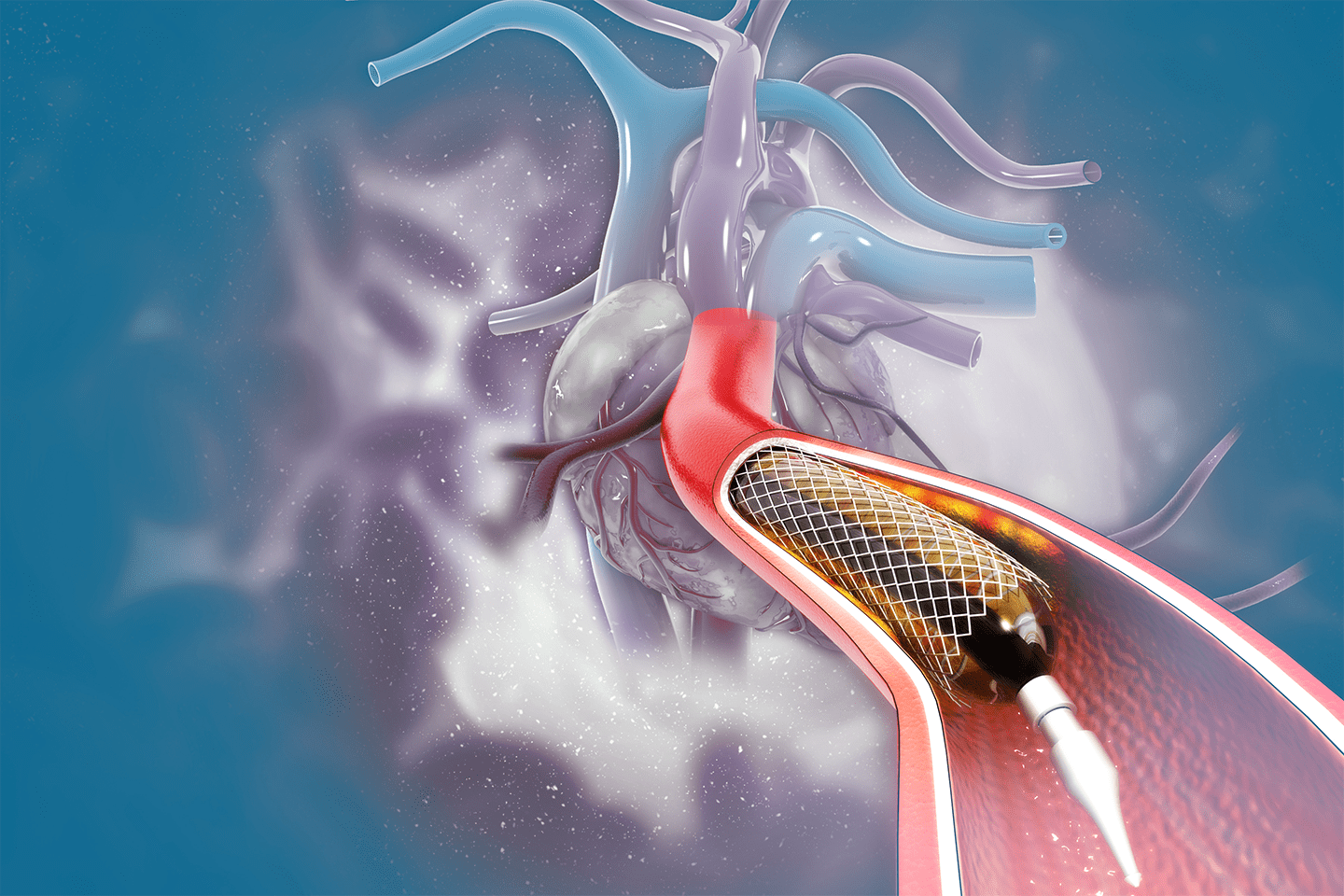
ALL ABOUT ANGIOPLASTY
June 29, 2022

Percutaneous Coronary Intervention (PCI), commonly known as Angioplasty, is an interventional treatment used to clear a blockage in the coronary arteries of the heart and restore healthy blood flow.

Read More
Post Image
PREVALENCE OF HEART DISEASES IN YOUNGER INDIANS
June 29, 2022

Cardiovascular diseases are a leading cause of death among both Indian men and women. Studies reveal that cardiovascular illnesses affect Indians a decade earlier than they usually affect people in Western countries.

Read More
Post Image
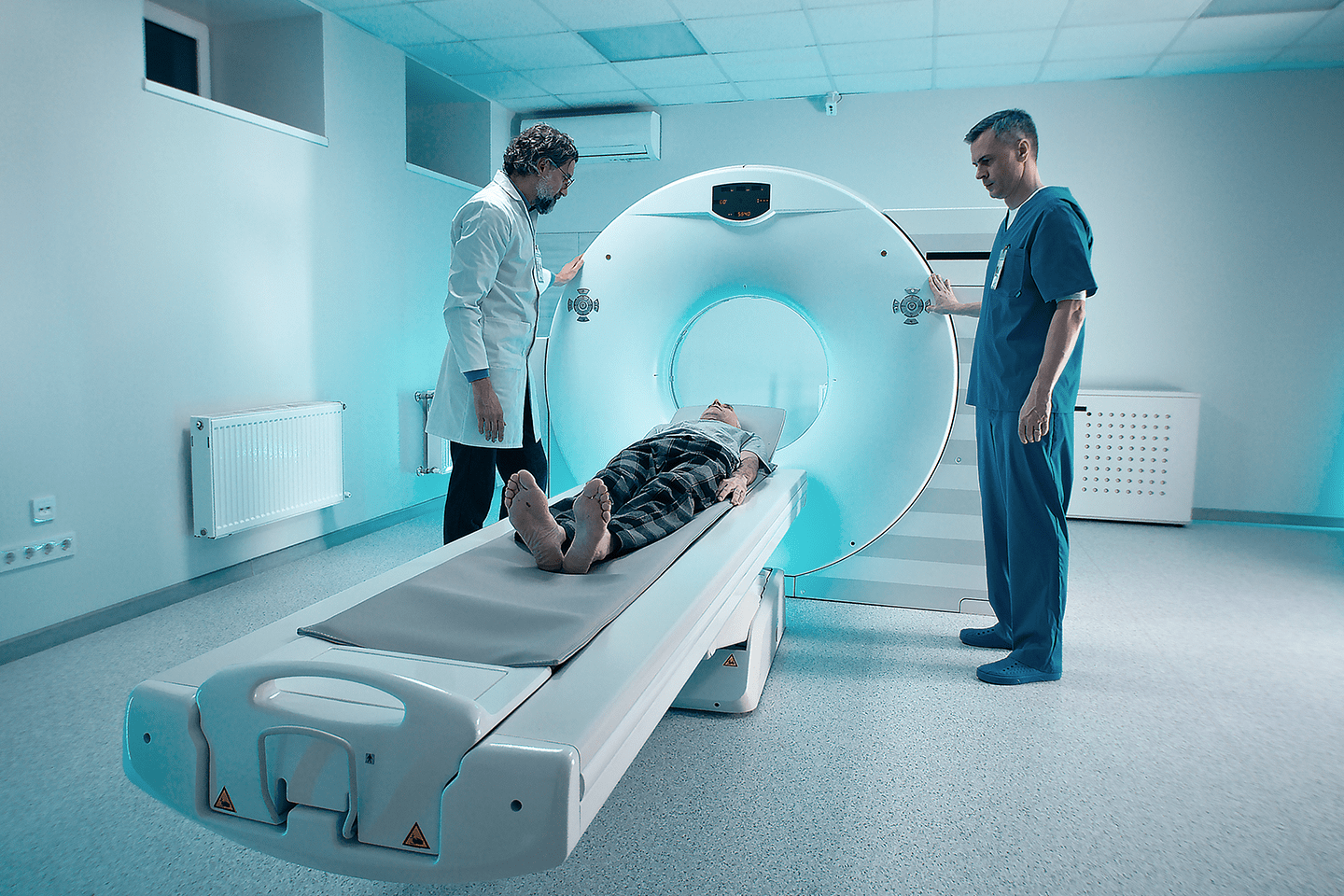
What is CT Scan?
June 29, 2022

A CT scan is one of the best ways to quickly diagnose and examine patients with internal injuries as a result of accidents, etc. Due to its tendency to provide fast and accurate results, CT scans in many emergency cases have been able to save thousands of lives.

Read More